Skills Audits: What They Are, Types & How To Do It Right

Photo by Pexels · Free to use
AI is changing which skills people get paid for, and it's happening faster than most of us can keep up with. Maybe you're losing clients to a chatbot. Maybe your job title still exists, but half your daily tasks don't matter the way they used to. Maybe you're just tired of collecting new skills without ever letting go of the old ones.
Before you can figure out what to learn next, you need to know what you're actually working with. That's what a skills audit is for.
This guide walks you through what a skills audit actually is, the different types you can run, and a simple way to do one right — without turning it into a three-week project you never finish.
What Is a Skills Audit?
A skills audit is a structured check-in on what skills you (or your team) actually have, which ones are still useful, and which ones aren't earning their keep anymore.
It's not a resume. It's not a list of every course you've ever finished. A real skills audit asks harder questions:
- What am I actually good at, right now?
- What skills am I still using that no longer pay off?
- What's missing if I look at where the work is heading?
- What should I stop doing so I have room to start something new?
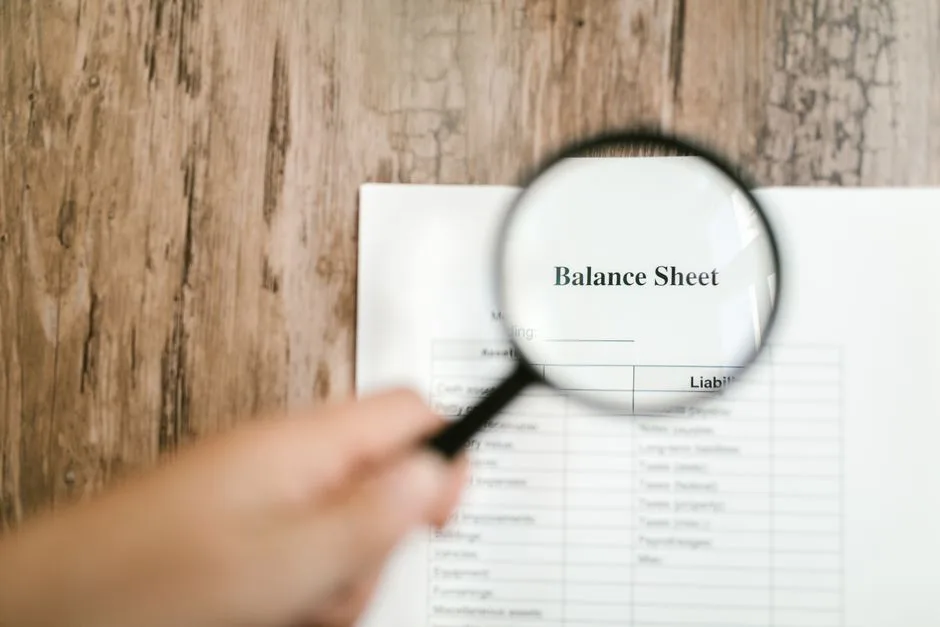
Think of it as inventory day, but for your abilities instead of your closet. You take everything out, look at it honestly, and decide what stays, what goes, and what you need to go buy.
Why Skills Audits Matter Right Now
Skills audits used to be something HR departments ran once a year, mostly for training budgets and performance reviews. That's changed.
AI and automation are reshaping jobs faster than most career plans can account for. A skill that was your main selling point two years ago might now be something a tool does in ten seconds. And a skill you never bothered learning might be the exact thing that keeps you employable next year.
This is why a personal skills audit matters just as much as a company-wide one. If you're a freelancer, an office worker, a developer, or a creative, you're the one responsible for noticing when a skill has quietly stopped paying rent.
Doing an audit isn't about panicking over every headline about AI. It's about pausing long enough to ask: is what I'm doing today still the right thing to be doing? And if not, what should replace it?
Types of Skills Audits
Not every skills audit looks the same. The type you run depends on who it's for and what you're trying to figure out.
Individual skills audit This is a personal check-in on your own abilities, usually done when you're job hunting, considering a career change, or just feeling stuck. It's the most common type for people reskilling because of AI, automation, or a layoff.
Team or organizational skills audit Companies run these to map what skills exist across a team, spot gaps before a big project, or plan training budgets. It's less personal, more spreadsheet, but it follows the same basic logic: list what's there, compare it to what's needed.
Technical skills audit Focused specifically on hard, teachable skills — coding languages, software, tools, certifications. Easy to measure, easy to compare against job postings or industry requirements.
Soft skills audit Looks at things like communication, leadership, adaptability and problem-solving. Harder to measure, but often the deciding factor in whether someone thrives when their role changes.
Future-skills audit This one looks forward instead of backward. Instead of just listing what you have, it asks what you'll need in 12–24 months based on where your industry is heading. This is the type most worth doing if AI is already changing the shape of your work.
Most people don't need to pick just one. A good personal skills audit usually blends all five — a look at what you have, what's technical, what's soft, what's outdated, and what's coming.

How To Do a Skills Audit Right
Here's the part most guides skip: a skills audit isn't just a list. Listing skills without deciding what to do with them is just procrastination with extra steps. Doing it right means sorting, letting go, and actually acting on what you find.
◼ Sort it out Take a slow, honest look at what you actually do all day. Write down every skill you use regularly, even the small ones. Then sort each one into three simple buckets: Stop, Keep, or Start. Nothing here is permanent — you're just getting an honest snapshot.
◼ Let it go For everything in your Stop pile, actually retire it. Write down what that skill gave you over the years, say thanks, and stop scheduling time for it. This step gets skipped constantly, and it's the reason so many people feel stuck: they keep maintaining old skills "just in case" instead of freeing up the mental space to learn something new.
◼ Focus on what's next Take your Start pile and turn it into learning goals. You don't need to pick just one — add as many as you want. The goal isn't to master everything overnight, it's to start showing up for it consistently. Showing up counts more than cramming.
◼ Build while you focus Learning sticks better when it feels like progress instead of homework. Pair each focus session with something you're building — a project, a portfolio piece, a small deliverable — so every minute of focus visibly moves you forward.
◼ Review regularly A skills audit isn't a one-time event. Check in every few weeks on what you dropped, what you're learning, and whether it's still the right direction. Skills that mattered six months ago might not matter today, and that's fine — that's what the review is for.
Common Skills Audit Mistakes To Avoid
Making it a one-time thing. A skills audit you do once and never revisit is just a memory. Skills change, industries shift, and your Keep pile from a year ago might belong in Stop today.
Skipping the "letting go" part. Most people are comfortable listing skills. Almost nobody actually retires the ones that don't matter anymore. Without that step, you end up with a longer list, not a clearer one.
Auditing skills you're not using data for. Guessing what's "in demand" without checking job postings, industry trends, or what's actually changing in your field turns your audit into a guessing game.
Trying to fix everything at once. You don't need five new skills by next month. Pick one or two Start items and actually focus on them before adding more to the pile.
No follow-through system. Writing "learn Python" on a list changes nothing. What changes things is short, consistent focus sessions where you actually show up and do the work.
A Simple Way To Actually Follow Through
Knowing what to Stop, Keep, and Start is only half the job. The other half is actually doing something about it — consistently, without turning it into another source of overwhelm.
This is exactly what Unlearn Skill was built for. It's a calm, free focus app that starts with the audit itself: you sort your skills into Stop, Keep, or Start, retire the ones that no longer serve you, and then focus on what's next — one short session at a time.
Instead of just tracking time, the app lets you build something while you focus. Pick from more than 20 things to build, from a woodland cabin to a satellite, and every minute of focus brings it closer to done. It turns a skills audit from a one-time list into an ongoing habit you actually stick with.
The app works without an account, keeps all your data on your device, and has no ads, no in-app purchases, and no tracking. It's designed for people whose work is changing because of AI or automation — freelancers, office workers, developers, creatives, or anyone who recently lost a job and is figuring out what to learn next.
FAQ
How often should I do a skills audit?
Every 3–6 months is a good baseline, or any time something big changes — a new job, a layoff, or a shift in your industry. The review step matters as much as the initial audit.
Is a skills audit the same as a resume update?
No. A resume lists what you've done for other people. A skills audit is more honest — it's for you, and it includes the skills you should probably stop using.
What if I don't know what skills will matter in the future?
Look at what's changing in your industry right now, not what's changing everywhere. You don't need to predict the next five years, just the next reasonable step.
Do I need a spreadsheet or special tool?
Not really. A simple Stop, Keep, Start list is enough to start. What matters more is following through with focused time on the Start pile — which is where a tool like Unlearn Skill helps.
Can I audit more than one skill area at once?
Yes. Most people have a mix of technical and soft skills worth reviewing. Just don't try to act on all of it at once — pick a couple of Start items and focus there first.
Final Thought
A skills audit isn't about proving you're falling behind. It's about giving yourself permission to stop carrying skills that no longer serve you, so you have room to focus on what actually matters next.
Stop keeping every skill "just in case." Sort it out, let go of what had a good run, and start building the next one, one focused session at a time.
Download Unlearn Skill on Google Play or the Chrome Web Store and run your first skills audit today.
Unlearn Skill is free and calm. Available now for Chrome and Android.
Related Reading
- Tired of Forgetting To Start Your Focus Timer? Here's What You Can Do
- How To Track Your Focus Time Without Sacrificing Privacy
- The Stop / Keep / Start audit: a 30-minute unlearn exercise
This article was written by the Unlearn Skill team. Images sourced from Pexels under the Pexels Free License.
← Back to notes